Data security: where is your online accounting data stored?

Introduction
You use an online invoicing solution. Your accounting data is in the cloud. But concretely, where are your invoices, customer information and financial data physically stored? And above all: how are they protected?
Accounting data security is not a technical detail reserved for IT professionals. It's a central question for every entrepreneur. A data breach can expose sensitive information about your customers, revenue or cash flow. A hack can paralyse your business. Data loss can put you in difficulty with the tax authorities, especially when you must retain your documents for 10 years.
Yet many users of SaaS solutions don't really know where their data is hosted, nor what security measures are in place. Hosting in Switzerland, encryption, backups, certifications: these terms remain unclear for most SMEs and self-employed professionals.
This article explains in clear language how the security and hosting of your online accounting data work. You'll understand the technical protections, the certifications to check, and the best practices to adopt to keep control over your sensitive information.
📌 Summary (TL;DR)
Your online accounting data is stored on physical servers, ideally in Switzerland to benefit from protective legislation. Encryption protects your information in transit and at rest, whilst regular backups guarantee their recovery in case of problems. Security certifications and audits attest to the level of protection, but security also depends on your practices: strong passwords, two-factor authentication and vigilance against phishing.
📚 Table of contents
Where is your accounting data physically hosted?
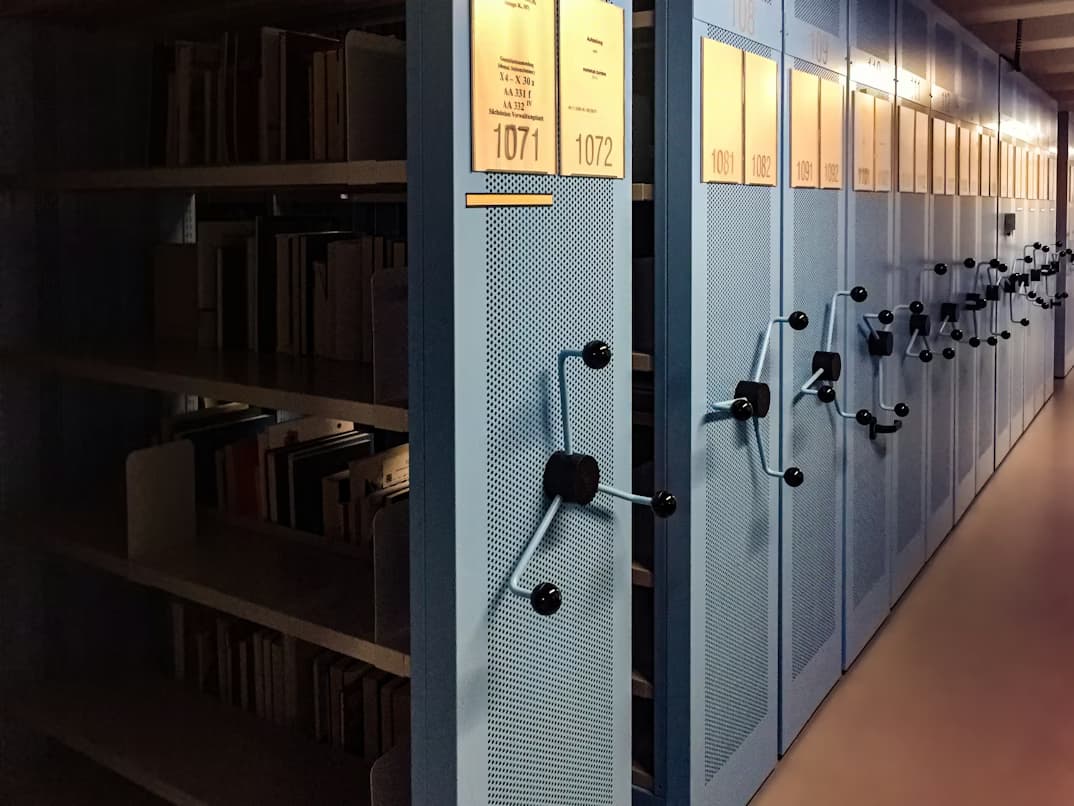
Your invoices, customer data and payment histories are stored on physical servers located in datacentres. The location of these servers is not trivial: it determines which legislation applies to your data.
In Switzerland, the main cloud providers include AWS Zurich, Microsoft Azure Switzerland, and local hosts such as Infomaniak. These infrastructures benefit from the protection of the Federal Act on Data Protection (FADP), which is stricter than in many countries.
For Swiss companies, choosing local hosting guarantees that your data remains under Swiss jurisdiction. This is particularly important to comply with your document retention obligations for 10 years.
The advantages of hosting in Switzerland
Hosting in Switzerland offers several concrete guarantees for your accounting data:
Enhanced protection: The Swiss FADP imposes strict rules on the processing and access to personal data
Data sovereignty: Your information is not subject to foreign laws such as the American CLOUD Act
Simplified compliance: Automatic compliance with Swiss legal requirements regarding accounting
Local support: Contacts in Switzerland who understand the local legal and tax context
This geographical proximity also improves response times and the availability of your invoicing platform.
How is your data technically secured?
Data security relies on several layers of technical protection. Imagine a safe inside a bunker, itself under constant surveillance.
Concretely, your data is protected by:
Encryption in transit: All communications between your browser and the servers use the HTTPS/TLS protocol
Encryption at rest: Stored data is encrypted on hard drives
Strong authentication: Secure passwords and two-factor authentication (2FA)
Firewall and detection: Systems that block intrusion attempts in real time
Each customer has an isolated space: your invoices can never be viewed by another platform user.
Encryption: your digital safe
Encryption transforms your data into code that is unreadable to anyone without the decryption key. It's like writing in a secret language that only you can understand.
Two types of encryption protect your accounting data:
SSL/TLS during transfers: When you access your account or create an invoice, information circulates in encrypted form
AES-256 encryption for storage: Your data remains encrypted on servers, even at rest
For your sensitive financial information (bank details, amounts, customer data), this dual level of protection is essential. Even in the event of physical access to the servers, the data would remain unusable without the decryption keys.
Backups and recovery: what if something goes wrong?
A server failure, human error or technical incident can occur. That's why automatic backups are essential to protect your accounting data.
Best practices include:
Daily backups: Automatic copies of all your data every day
Geographical redundancy: Storage across multiple separate physical sites
Long-term retention: Backup retention for several weeks or months
Recovery testing: Regular checks that data can be restored
Unlike local backups on external hard drives, cloud backups are automatic and don't depend on your vigilance. They also comply with your accounting obligations for document availability.
Security certifications and audits
Security certifications are not just marketing logos. They attest to independent audits carried out by recognised organisations.
The main certifications to look for:
ISO 27001: International standard on information security management
SOC 2 Type II: In-depth audit of security controls over an extended period
Cloud certifications: AWS, Azure and other providers maintain their own certifications
These audits concretely verify access policies, backup procedures, incident management and staff training. Regular penetration tests simulate attacks to identify vulnerabilities before they are exploited.
At BePaid, we rely on the certified infrastructure of our Swiss hosting partners.
Who has access to your data?
The question of data access is central to the confidentiality of your accounting. A transparent SaaS must clearly define who can view your information.
At BePaid, the policy is strict:
You alone: As the account owner, you have full control
Limited technical support: Access possible only with your explicit consent to resolve a problem
No commercial third parties: Your data is never sold, shared or exploited for marketing purposes
Complete logging: All technical access is tracked and auditable
This policy complies with both the European GDPR and the Swiss FADP, two legal frameworks that place data control in your hands.
Internal teams
Even within a SaaS company, access to customer data must be strictly controlled. The principle of least privilege applies: each employee only has access to the information necessary for their work.
Guarantees include:
Minimal access: Only authorised support technicians can intervene, and only on request
Traceability: Each connection is recorded with timestamp and identification
Ongoing training: Regular staff awareness of confidentiality issues
Strict contracts: Confidentiality clauses in all employment contracts
This approach guarantees that your invoices and financial data remain confidential, even internally.
Subcontractors and partners
No SaaS platform operates in a vacuum. Hosting partners and payment processors play a role in the security chain.
Contractual requirements include:
Hosting providers: Certified datacentres with security and availability commitments (SLA)
Payment processors: PCI-DSS compliance for all banking transactions
Protection clauses: Contractual agreements that prohibit the use of data for other purposes
Regular audits: Verification of subcontractor compliance
For banking flows linked to your business account, transaction security is guaranteed by strict banking standards.
Best practices on the user side
Security is a shared responsibility. Even with the most secure infrastructure, certain user practices remain essential.
Adopt these simple habits:
Strong passwords: Minimum 12 characters with capitals, numbers and symbols
Two-factor authentication (2FA): Enable it systematically for additional protection
Phishing vigilance: Always check the sender of emails before clicking on a link
Access management: If you work in a team, define appropriate permissions for each user
Logging out: Don't remain logged in on shared or public computers
Never share your login credentials, even with your accountant. Instead, create a dedicated access for them with the necessary permissions.
Frequently asked questions about accounting data security
What happens if BePaid closes?
You can export all your data at any time in PDF and Excel format. We would inform you well in advance to allow you to recover all your invoices and customer data.
Can I export all my data?
Yes, absolutely. You keep full control and can download your invoices, customer lists and payment histories whenever you wish. This function is available in all versions, including the free one.
Is my data accessible by the authorities?
Swiss authorities can request access to your data as part of a legal procedure (tax audit, judicial investigation). We transmit nothing without an official warrant.
How do I permanently delete my data?
You can close your account at any time. Your data is then deleted after the legal retention period, in accordance with your retention obligations.
Is the free version as secure as Premium?
Yes, exactly. All users benefit from the same level of encryption, hosting and backups, regardless of their subscription plan.
The security of your accounting data relies on three essential pillars: reliable hosting, robust technical protections and good user practices. Hosting in Switzerland offers a protective legal framework with the FADP, whilst encryption and automatic backups ensure the protection and availability of your sensitive information.
Security certifications and regular audits guarantee that your invoicing solution meets the highest standards. But technology alone is not enough: strong passwords, two-factor authentication and rigorous access management complete this protection system.
At BePaid, your data is hosted in Switzerland, encrypted and backed up daily. We apply security best practices so you can focus on your business with complete peace of mind. Create your free account and test our secure invoicing platform today.